Wood Floor Refinishing vs. Floor Replacement: How to Decide
People searching for wood floor refinishing often want to restore or update their floors, and local contractors can help determine whether refinishing or replacing is the best option.
Deciding between wood floor refinishing and floor replacement is a common consideration for property owners looking to restore or upgrade their hardwood surfaces. Whether dealing with surface scratches, dull finishes, or more extensive damage, understanding the differences can help make an informed choice. Property owners in the area often explore this topic to determine the most practical and cost-effective way to refresh their floors without unnecessary disruption. This page offers helpful insights into the factors that influence the decision, highlighting how local contractors skilled in wood floor refinishing can often breathe new life into existing floors, saving time and money while maintaining the character of the space.
As you explore options, it's important to evaluate the condition of your hardwood and consider how much of the original material remains intact. Local service providers can assess whether refinishing will meet your expectations or if replacement might be needed for more significant damage or style updates. Understanding these distinctions can guide property owners in making choices that align with their goals, whether they seek to preserve the original look or opt for a fresh start. Keep reading to learn more about the practical considerations involved in choosing between wood floor refinishing and floor replacement, and how local experts can help bring your vision to life.
- Lightly scratched or dull wood floors - local contractors often recommend refinishing to restore appearance without the need for full replacement.
- Severely damaged or warped flooring - service providers may suggest replacement when structural issues are beyond repair through refinishing.
- Old floors with deep stains or persistent imperfections - local pros can evaluate whether refinishing can effectively conceal damage or if replacement is necessary.
- Flooring with minor surface wear - refinishing is typically a suitable choice to refresh the look without removing existing material.
- Heavily stained or water-damaged floors - professionals might advise replacement if refinishing cannot effectively address underlying issues.
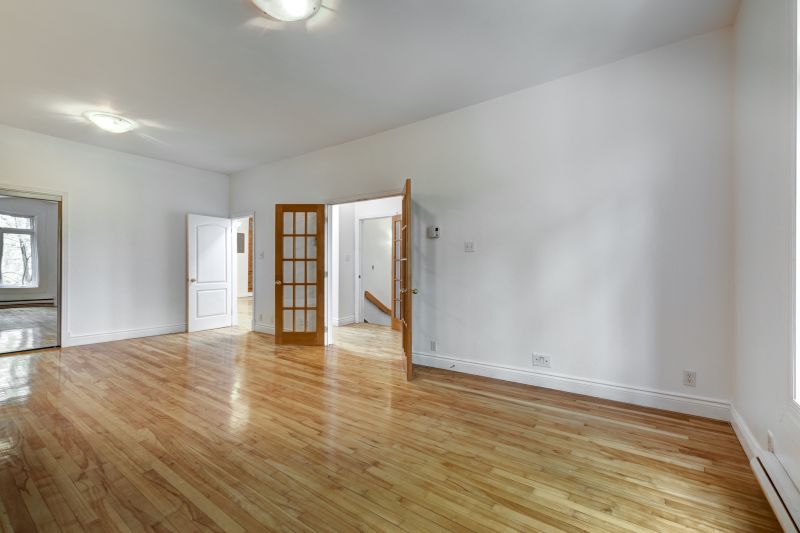
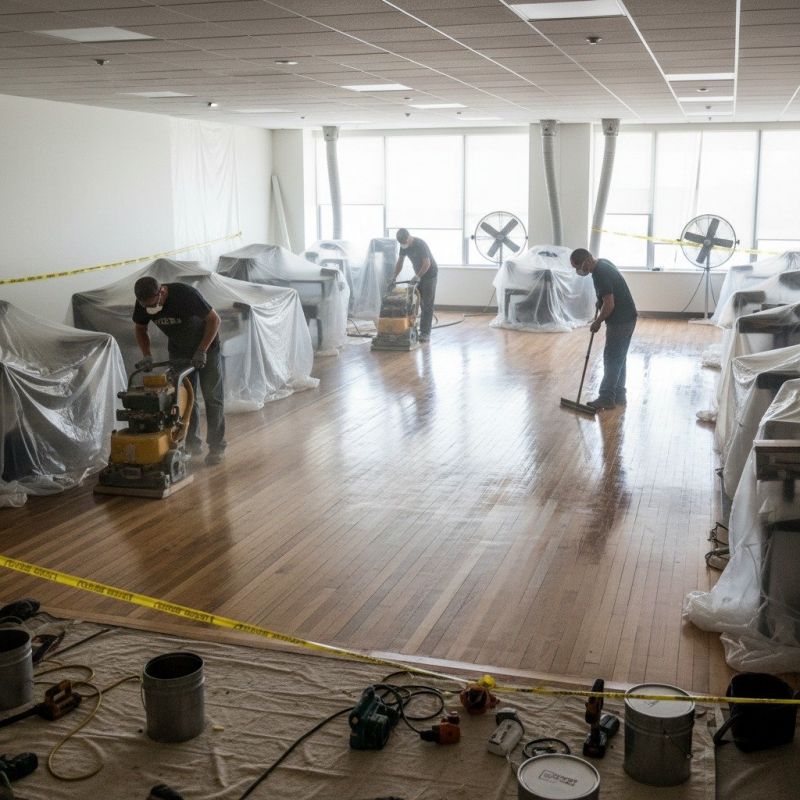
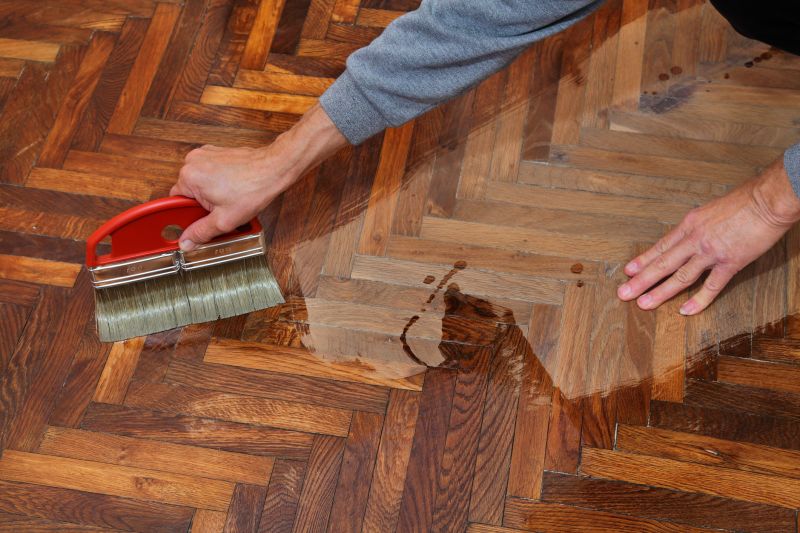
When homeowners search for information about wood floor refinishing versus floor replacement, they are often trying to determine the best solution for restoring or updating their existing hardwood floors. This topic typically arises when floors show signs of wear, such as scratches, dullness, or discoloration, but are still structurally sound. People may also be planning renovations or seeking to improve the appearance of their homes, especially if they want to preserve the character of original hardwoods. Understanding the differences helps homeowners decide whether refinishing can bring their floors back to life or if a full replacement is necessary to achieve the desired look and durability.
The decision between refinishing and replacing wood floors relates to a variety of problems and plans. For instance, homeowners with floors that have surface-level damage like scratches, stains, or minor gouges often consider refinishing as a cost-effective way to refresh the appearance. Conversely, floors with deep cracks, extensive water damage, or severe warping might require replacement to ensure safety and longevity. This choice also ties into broader renovation plans, such as updating interior styles or preparing a property for sale, where the condition and age of the existing flooring play a significant role. Local service providers specializing in wood floor refinishing and replacement can assess the specific issues and recommend the most suitable approach.
The types of properties that typically come up in discussions about wood floor refinishing versus floor replacement include both residential and commercial spaces. In homes, this often involves living rooms, dining areas, bedrooms, or hallways with original hardwoods that have endured years of foot traffic. Older houses with historic or vintage floors may benefit from refinishing to preserve their charm, while newer homes might have floors that are more easily replaced if damaged. Commercial properties such as retail stores, offices, or hospitality spaces may also face similar decisions, especially when the floors are integral to the aesthetic and function of the space. Local contractors experienced in both services can evaluate the property's condition and help determine the most practical solution.
Ultimately, understanding the differences between wood floor refinishing and floor replacement helps homeowners make informed decisions based on their specific circumstances. Whether dealing with surface-level wear or structural issues, choosing the right approach depends on the condition of the existing flooring and the goals for the space. Local service providers who specialize in both refinishing and replacement can provide expert evaluations and options tailored to each property’s needs. Connecting with these professionals ensures that homeowners receive guidance rooted in practical experience, helping them achieve a durable, attractive, and functional result for their floors.
Floor sanding and polishing - this project involves preparing and finishing wood surfaces, utilizing skills similar to those used in wood floor refinishing to restore or enhance existing flooring.
Subfloor repair and leveling - ensuring a stable and even surface is essential for both refinishing and replacement projects, requiring expertise in subfloor assessment and preparation.
Custom wood staining and finishing - applying stains and protective coatings on wood surfaces aligns with techniques used in wood floor refinishing to achieve desired aesthetic results.
Hardwood installation - installing new wood flooring involves planning and precise tool use comparable to those used in floor replacement projects.
Floor sanding for parquet or intricate patterns - restoring detailed wood designs demands skills similar to those needed for refinishing complex or decorative wood floors.
Surface preparation for epoxy or urethane coatings - preparing wood surfaces for protective finishes shares methods with refinishing, requiring attention to detail and proper technique.
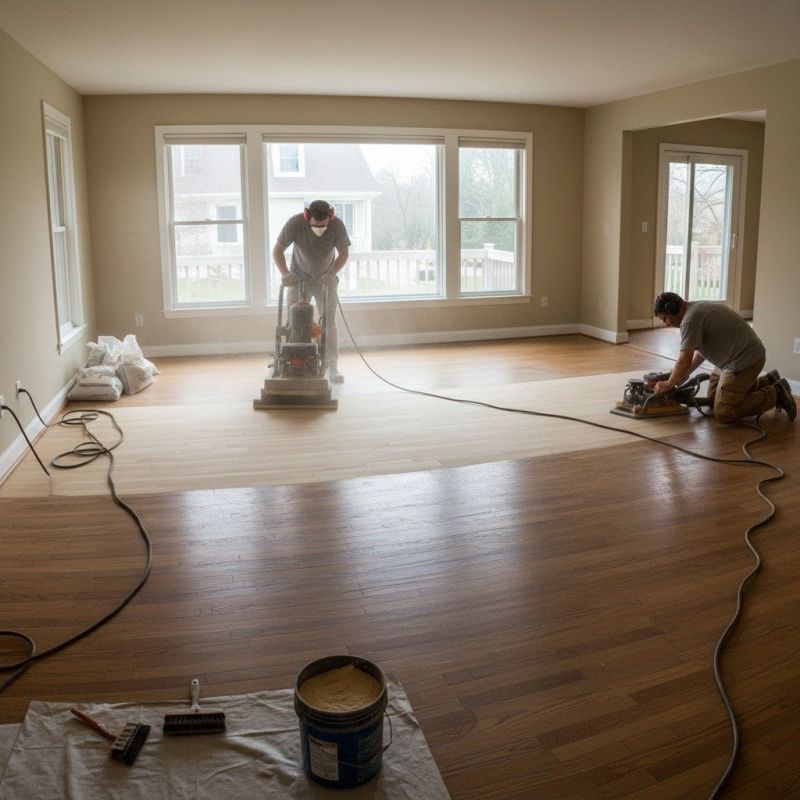
When evaluating wood floor refinishing services, it’s important to consider the experience of the local contractors with similar projects. An established professional will have a track record of successfully restoring floors that resemble the condition of the existing wood. Homeowners should inquire about the types of refinishing work the contractor has performed and whether they have experience handling the specific needs of their flooring, such as dealing with deep scratches, discoloration, or uneven surfaces. Clear, detailed communication about the scope of work and expectations can help ensure that the refinishing process aligns with the homeowner’s goals, providing a more accurate assessment of whether refinishing is a viable option compared to full floor replacement.
Reputable references are a key factor when comparing local service providers for wood floor refinishing. Pros who can provide references from previous clients with similar flooring types and conditions offer insight into their reliability and quality of work. Homeowners should seek out feedback regarding the longevity of the refinished floors and the professionalism of the contractor throughout the project. Additionally, establishing open lines of communication early on can help clarify the scope of work, timelines, and any potential challenges, which is essential for making an informed decision about whether to proceed with refinishing or consider replacing the flooring altogether.
Good communication is crucial when choosing between refinishing and floor replacement. A dependable service provider will listen carefully to the homeowner’s concerns and provide straightforward explanations about what refinishing can achieve versus the benefits of replacing the flooring. This dialogue helps homeowners understand the limitations of refinishing, especially if the existing wood has sustained significant damage or wear. By working with a contractor who communicates clearly and transparently, homeowners can better weigh the pros and cons of each option, ensuring that the final decision aligns with their long-term expectations for durability, appearance, and overall value of the flooring investment.
Property owners often search for wood floor refinishing vs. floor replacement: how to decide when they are planning practical projects around their homes and businesses. Local pros provide Wood Floor Refinishing services for everyday jobs and straightforward project options.
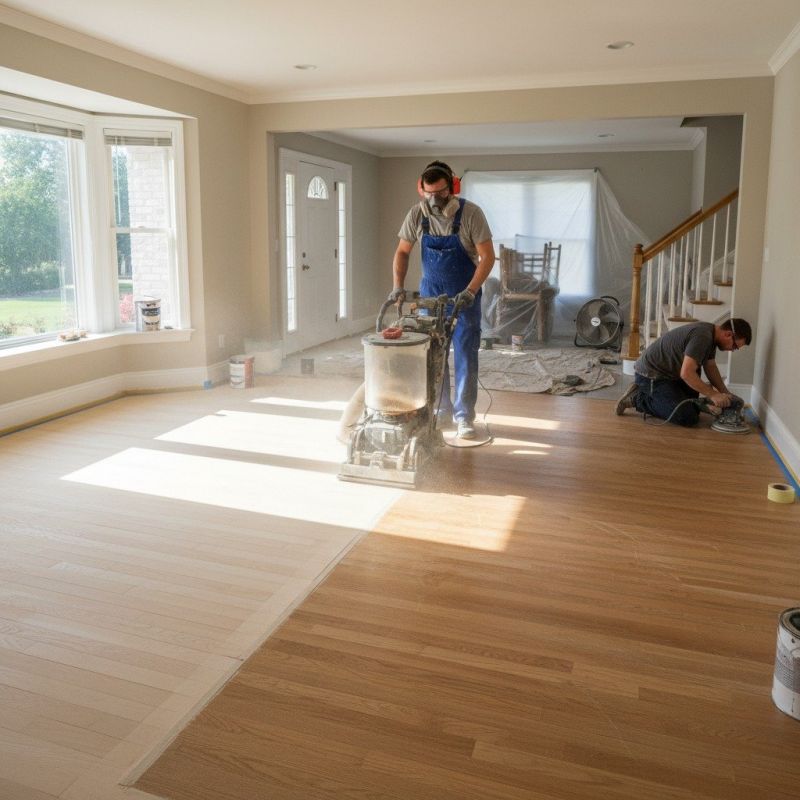
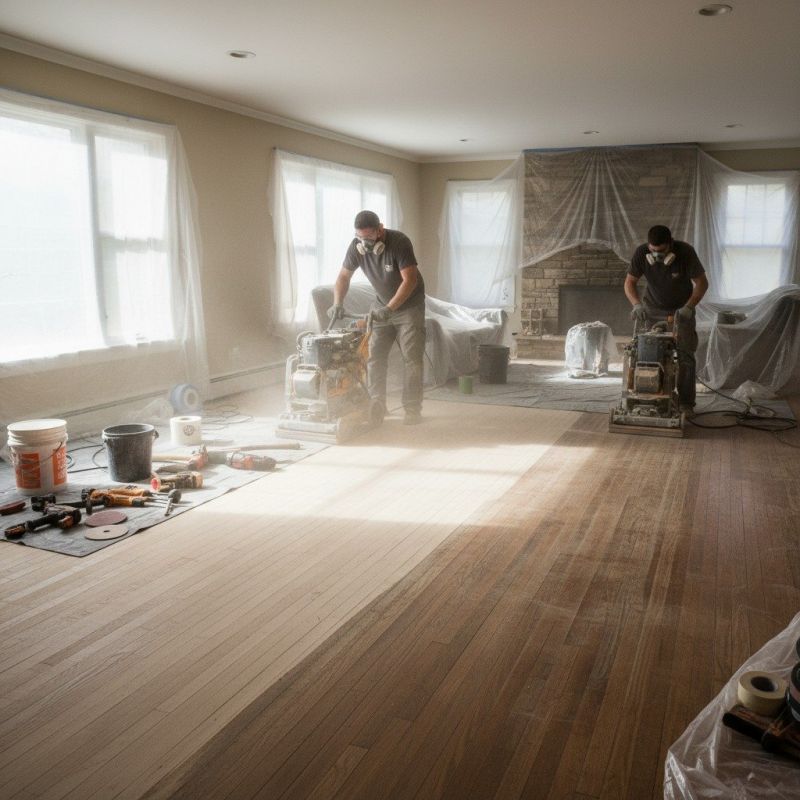
When homeowners are faced with deciding between wood floor refinishing and floor replacement, common considerations often include the condition of the existing flooring, the extent of damage or wear, and the desired aesthetic outcome. For those with hardwood floors that have surface scratches, dullness, or minor imperfections, wood floor refinishing can often restore their original beauty without the need for a full replacement. Local contractors who specialize in refinishing services can assess the floor’s surface to determine if sanding and resealing will achieve the desired look, making it a practical choice for preserving the character of the existing wood.
On the other hand, property owners dealing with significant damage, deep stains, warped boards, or extensive areas of deterioration may find that floor replacement is a more suitable solution. In such cases, local service providers can help evaluate whether refinishing can address the issues or if a full replacement would be more cost-effective and durable in the long run. Understanding the condition of the existing flooring and consulting with experienced contractors can clarify whether wood floor refinishing services are enough to meet the project goals or if a new installation is necessary.
How do I know if my wood floors need refinishing or replacement? Local contractors can assess the condition of your floors to determine if refinishing can restore their appearance or if replacement is necessary due to extensive damage or wear.
Can refinishing improve the look of my worn or scratched wood floors? Yes, professional wood floor refinishing services can remove surface imperfections, scratches, and dullness, making floors look refreshed without full replacement.
When should I consider replacing my wood floors instead of refinishing? Replacement may be recommended if the wood is severely damaged, warped, or if the underlying structure is compromised, which local service providers can evaluate.
Is refinishing a good option for preserving the original wood in my home? Refinishing preserves the existing wood, allowing for a new finish that enhances the natural beauty, and is often a practical alternative to replacement when the wood is still structurally sound.
How can a local contractor help me decide between refinishing and replacing my floors? Experienced service providers can inspect your floors and advise on the best course of action based on their condition, helping to make an informed decision aligned with your goals.
Assessing floor condition - property owners can evaluate whether their existing wood floors have deep scratches, stains, or structural issues that may require replacement instead of refinishing.
Considering project scope - understanding if the refinishing process can restore the appearance of worn or damaged floors helps in deciding whether to refinish or replace.
Matching style and material - property owners can explore if refinishing can achieve the desired look or if a full replacement is needed to match new design elements.
Consulting with local contractors - seeking advice from local pros can provide insights into the feasibility and benefits of refinishing versus replacement for specific floor conditions.
If you are thinking about wood floor refinishing vs. floor replacement: how to decide for a property, this guide is meant to help you understand this topic, the typical project types, and how different options might fit your plans.
When you are ready, you can use the quote form on this page to share a few details about your project. From there, local pros can review the basics and follow up with options that match what you have in mind.